Build a visible routine
Separate daily cleaning from periodic inspection and planned replacement. Cleaning removes surface soil. Inspection identifies loose hardware, swelling, corrosion, damaged edges, failed labels and difficult access. These activities need different records and different owners. Use product and material instructions where available and avoid unsupported chemical assumptions.
Inspect the working parts
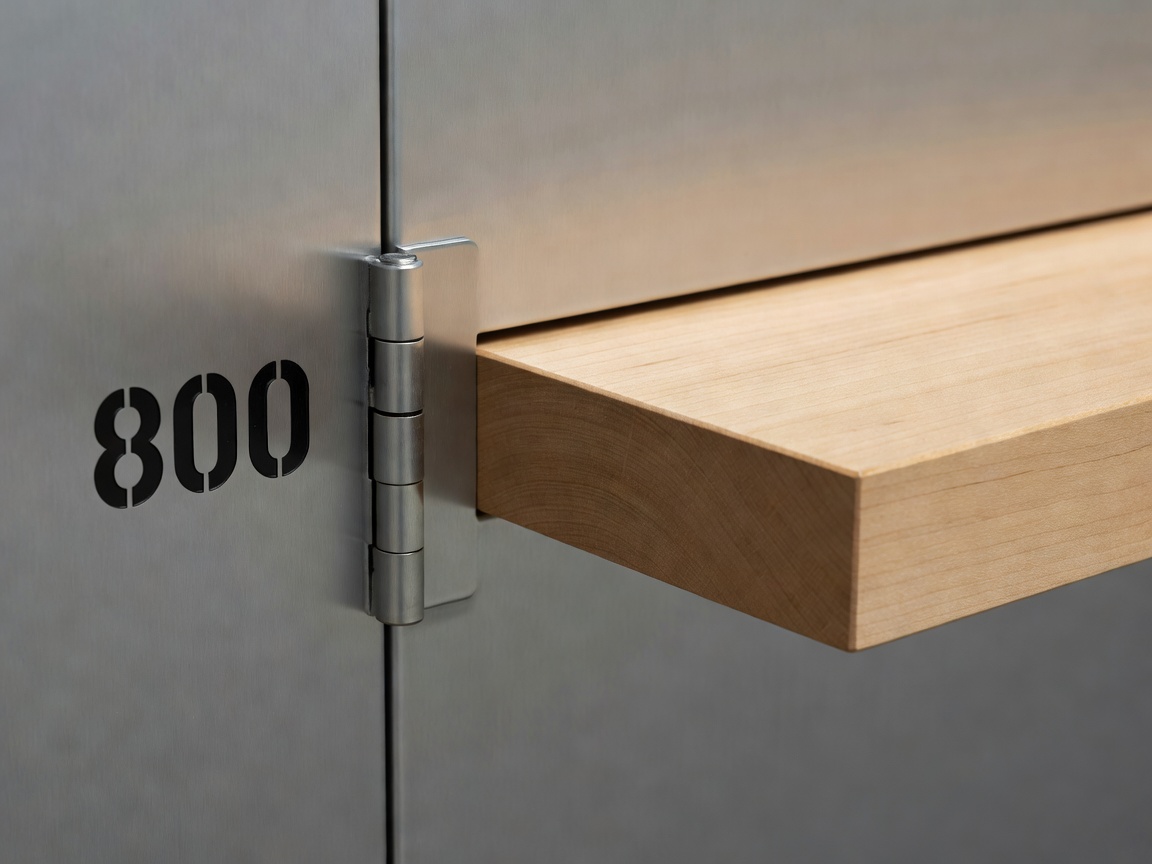
Locker doors, hinges, catches, handles, numbering and access systems deserve a consistent check. Benches need review at seat surfaces, edges, joints, feet, wall fixings and underside clearance. Doors and screens need alignment, privacy and hardware checks. Record the room, item, condition, action and date.
Moisture and surface wear
Wet-area exposure may appear first at edges, joints, fixings and floor interfaces. Look for changes in surface condition, staining, movement or recurring dampness. Do not open services or undertake electrical, plumbing, structural, fire, gas or specialist mechanical work without qualified professionals. Escalate those conditions through the appropriate site process.
Reactive or planned maintenance?
Reactive maintenance
Advantages: directs effort to visible faults and may suit low-risk minor repairs.
Limitations: failures can interrupt guest flow, create repeat work and make costs harder to plan.
Planned maintenance
Advantages: gives teams inspection points, records and a clearer replacement sequence.
Limitations: requires time, ownership and a usable record. It can expose work that needs specialist review.
Replacement planning
Track repeated faults rather than waiting for a complete failure. Group replacements by room, material, access category or installation condition where that improves control. Keep old and new records linked. A lifecycle view should include cleaning burden, hardware availability, access for repair and the effect of taking an area out of use.
Good for
Operating facilities, refurbishment programmes, multi-room wellness sites and teams creating a consistent inspection record.
What to consider
- Assign daily, periodic and escalation tasks.
- Inspect hinges, edges, fixings, labels and surfaces.
- Record moisture-related wear and recurring faults.
- Separate routine work from specialist repairs.
- Plan replacement before access failure affects flow.